September 8, 2026 • 9:03 AM EDT
Updated 1 hours ago
The NHL’s new collective bargaining agreement (CBA) hits the ice next week, locking in a stretch of stability through September 2030. That’s rare air for this league, especially with the history of bitter labor battles that once led to those dreaded lockouts and lost games. For hockey fans and bettors alike, it’s significant — no more panicking about a lost season due to boardroom drama, at least not for the next several years.
All signs point to an era where owners and players are finally on the same page. Business is booming, cash is rolling in, and valuations for teams have exploded. Take the Penguins as a prime example: sold for $900 million, flipped later for $1.75 billion. The CBA’s timing didn’t just preserve labor peace. It cemented a formula where money and trust are flowing both ways. For you, it means more games, fewer distractions, and a clear set of rules for everyone to play by. According to Yahoo Sports, the relationship between sides is as smooth as we’ve ever seen.
Some of last year’s tweaks, like the LTIR adjustments and playoff salary cap rules, arrived early. But now the rest of the major changes are coming in — and they’re not subtle. Let’s break down what’s different and why you need to care, whether you’re tracking roster moves or betting on outcomes.
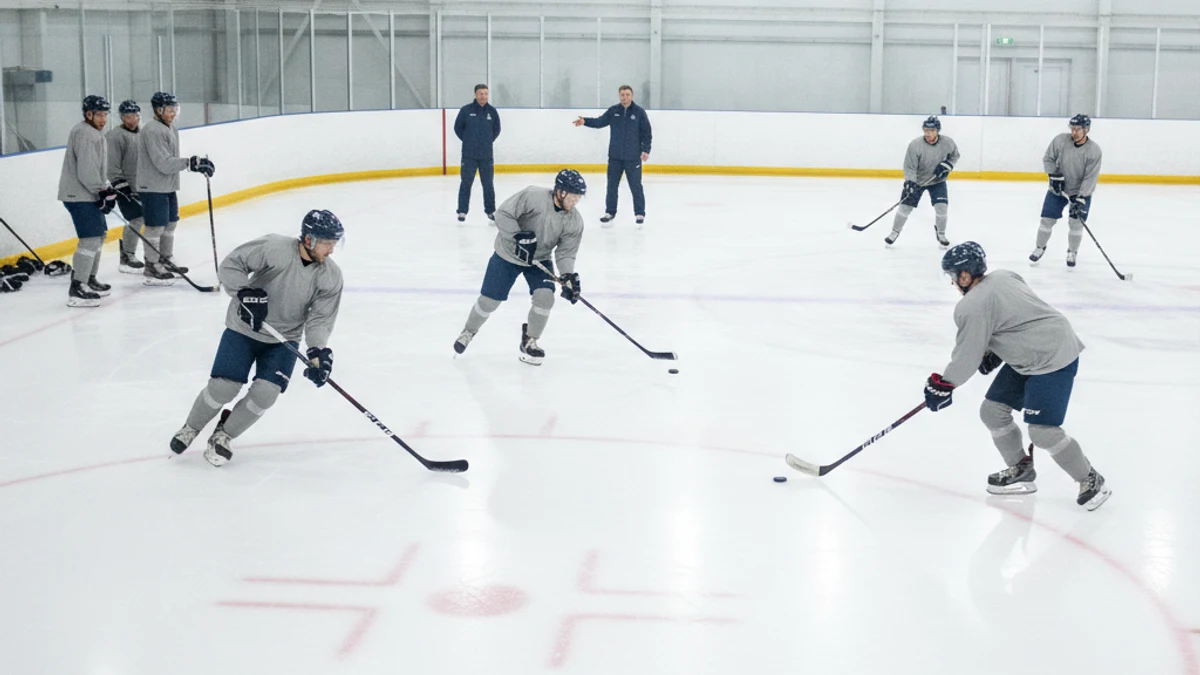
- The preseason keeps shrinking. Formal training camps drop from 20 to just 13 days for veterans, and those with 100-plus NHL games under their belts will only skate in two exhibition matches. No more multi-session days, dreaded bag skates, or even the most unpopular bike tests.
- The league lops off two preseason games and tacks them onto the regular schedule, making it an 84-game campaign. That’s more meaningful hockey for your dollar, a boost for tickets, TV, and betting possibilities.
- Every team now must employ a dedicated emergency backup goalie — EBUG — for every game, both home and away. The new rule spells out exactly who qualifies and closes old loopholes, so you won’t see random amateur heroes thrown into the mix anymore.
- Development rules shift for top prospects: first round CHL picks can now join the AHL at 19, instead of being forced back to junior. This is huge for young talent’s growth and for teams banking on their draft strategy.
- Dress code is out. Players can show up to the rink how they please — suits are no longer compulsory. Style just got a shot of personality.
- Contract lengths drop: the new ceiling is seven years on any signing. Teams lose a layer of long-term control, but players get more flexibility down the line.
- LTIR relief is now limited to the league’s average salary if there’s a chance an injured player could return that season or playoffs. Only players truly done for the year can give their team full cap relief, so smart cap management is more critical than ever.
What Changed and Why
Shorter Camps, Longer Season
The shortened preseason means veterans won’t be battered before the real games count. Teams get more regular season action, so every ticket and stream carries higher value. This also means you might want to look closely at how teams manage player health and in-season fitness — fewer warmup reps can lead to slow starts for less-prepared rosters.
EBUG Rule Ends the Backup Circus
For years, the EBUG rule left room for drama. The fairy-tale moment of a ringer goalie stepping in is now a thing of the past. Instead, teams are required to have a full-time emergency backup who hasn’t played on a standard NHL contract, isn’t a recent pro, and fits clear criteria. Like Pittsburgh’s Mike Chiasson, these EBUGs double as practice helpers and insurance. You won’t see random beer leaguers thrown into the spotlight anymore, just team-ready depth waiting in the wings.
Prospects Get New Options
The new rules for first round CHL picks shift the way teams plan their future. Now, top prospects can make the jump to the AHL at 19, instead of heading back to junior. Teams hold more cards in development paths, and high draft capital becomes even more valuable. It won’t touch every prospect, but it changes how the best are handled — and how you should weigh prospect bets, breakouts, and even rookie award futures.
Suits Are Out, Personality Is In
Officially gone: the suit-and-tie mandate. Last season, the rule technically faded but wasn’t widely observed. Some teams still want the old look, but the standard now is freedom. As NHLPA VP Marty Walsh explained, “There was a little hiccup with the dress code… that’s not the rule anymore. Players can wear whatever they want.” Players, especially stars, will have a new way to turn heads before the puck even drops.
Salary Cap and Contract Tweaks
Maximum contract lengths now cap at seven years, so expect a shift in how front offices plan for franchise cornerstones. That may reduce long-haul risk for teams but gives players a chance to cash in more often. LTIR rules also tighten up: if there’s a chance a player returns this season, the cap relief maxes out at the league average — if they’re out for good, only then do clubs get the big relief. You need to track these quirks if you’re looking for value in long-term roster moves or cap-tight teams.
Key Takeaways for Bettors and Fans
- The new CBA brings rare labor peace until 2030, so focus stays on the ice.
- Shorter training camps and seasons loaded with more meaningful games increase player value and viewing options.
- Set preseason routines are gone — look out for teams with slow starts, especially those with lots of changes.
- EBUG rules close the door on improbable goalie stories, lowering randomness in game outcomes.
- Prospect paths are reshaped, amping up the AHL’s importance and changing rookie development bets.
- Dress code freedom is a flash of culture shift, giving the league more personal flair but less uniformity.
- Contract and cap tweaks mean more focus on smart management — and opportunity for bettors who follow team finances.
- Teams now need sharp roster management to exploit or avoid LTIR/contract traps.
- The business boom means you can expect teams to keep investing in talent and fan engagement.
More coverage: latest NHL news, our NHL betting analysis and today’s NHL picks.
Related stories
21+ only. Gambling problem? Call 1-800-GAMBLER. The content on this site is for entertainment purposes only. We may earn a commission from affiliate links.

 Login
Login